
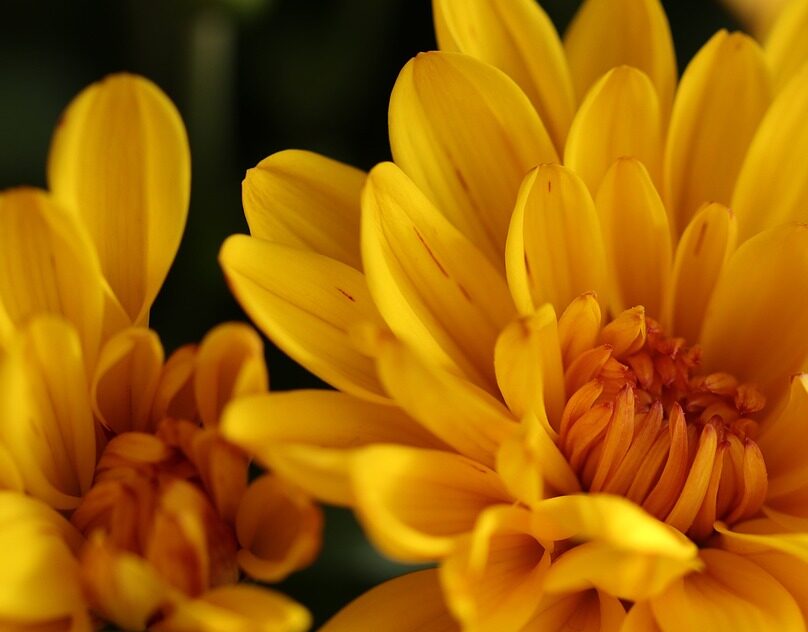
Chrysanthemums, affectionately known as “mums,” are among the most popular and versatile flowers in the world. With their vibrant colors, diverse shapes, and long-lasting blooms, chrysanthemums are a favorite choice for gardens, bouquets, and floral arrangements alike. However, to keep these beautiful blooms thriving and vibrant, proper care is essential.
Whether you’re a home gardener, florist, or enthusiast growing mums for export and commercial purposes, this guide will provide you with comprehensive tips for the successful care of chrysanthemums—from planting and watering to pruning and pest control.
Chrysanthemums are perennial flowering plants that belong to the Asteraceae family, which also includes daisies and sunflowers. They are native to Asia and northeastern Europe, with a history of cultivation dating back to ancient China over 2,500 years ago.
There are two main types of chrysanthemums:
Garden hardy mums: These are resilient varieties that can survive winter in many climates and are commonly used in landscaping.
Florist mums: These are bred for decorative use and typically grown in greenhouses. They often require more attention and care.
Knowing which type you are growing is the first step to ensuring proper care.
Chrysanthemums love sunlight. For optimal blooming, they need:
The ideal time to plant chrysanthemums is in spring, although fall planting is possible if done early enough to allow roots to establish before frost.
Watering is one of the most crucial aspects of chrysanthemum care:
Chrysanthemums are heavy feeders. To promote strong stems and vibrant flowers, fertilize regularly:
For professional growers, soil testing can be beneficial to create a targeted nutrient plan.
To encourage bushier growth and more blooms:
Some chrysanthemum varieties, particularly taller florist mums, may need staking to prevent the stems from bending or breaking:
Like all plants, chrysanthemums can be susceptible to pests and diseases. Regular monitoring and prevention are key.
Common Pests:
Insecticidal soap or neem oil is often effective against these pests. For large-scale operations, consult with an agricultural specialist about systemic solutions.
Common Diseases:
To prevent disease:
If you live in a region with cold winters and want to keep your mums for the next season, here’s what to do:
For companies involved in the export and commercialization of chrysanthemums, consistent quality and care are paramount.
Best Practices:
Greenhouse management: Control temperature, humidity, and light for year-round production.
Automated irrigation and fertilization: Ensures uniformity and reduces labor costs.
Integrated Pest Management (IPM): Balances chemical and natural pest control for sustainable farming.
Post-harvest, flowers must be cooled quickly, stored at optimal temperatures (around 0-2°C), and packed in ventilated, moisture-retaining packaging for export.
Having a quality certification (such as Florverde or GlobalG.A.P.) can also add value in international markets.
Beyond their beauty, chrysanthemums hold rich symbolism in many cultures:
This cultural depth adds marketing value when promoting chrysanthemum products internationally.
Chrysanthemums are more than just ornamental flowers—they are a dynamic product with horticultural, commercial, and cultural significance. With proper care, from the right soil and sunlight to pruning, fertilizing, and pest management, these stunning plants can flourish in home gardens and large-scale production alike.
Whether you’re nurturing a single plant on your balcony or overseeing thousands in greenhouses for export, the principles of chrysanthemum care remain rooted in attention, consistency, and respect for their natural cycles. Follow these tips, and your chrysanthemums will reward you with vibrant, abundant blooms season after season.